
Food through the seasons
Choose a mix of plants that flower, fruit or set seed at different times. A garden with several food sources can support more visitors than one with a short burst of flowers.
A little more life in your garden
Help local birds, butterflies and other insects find food and shelter. Start with plants suited to your area, add a few habitat features and let your garden grow into a welcoming place for wildlife.
← Back to Planting & CareSouthern Plants™ puts care into its labels to help you choose a suitable home for each plant.
Match each plant to your light, soil, water and available space. Use local planting guides to help with species selection, then check the growing requirements and mature size of the particular variety.
Find your plant’s growing information →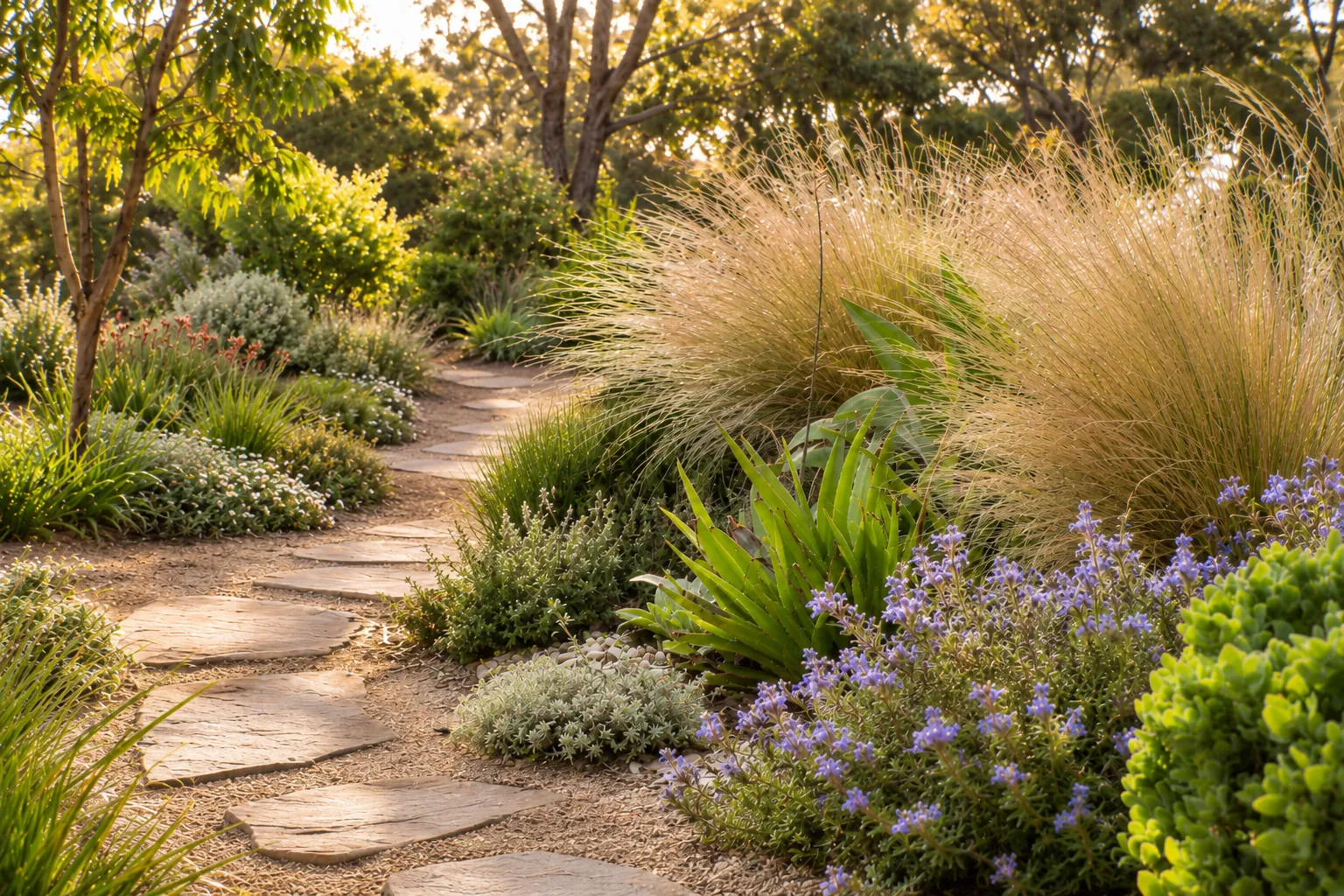
Start with what is already there
Look at the visitors your garden already receives. Which birds move through the shrubs? Where do butterflies stop? Keep useful existing plants while you add what is missing. You can begin with one garden bed, a sheltered corner or a few well-chosen pots.
Choose a mix of plants that flower, fruit or set seed at different times. A garden with several food sources can support more visitors than one with a short burst of flowers.
Dense shrubs give small birds places to hide and move between feeding spots. Include lower planting as well as taller shrubs and trees where space allows.
An Australian native plant occurs naturally somewhere in Australia. An indigenous, or local native, plant occurs naturally in your particular area. A species from another part of the country may be native to Australia without being local to your garden.
Local native plants are a useful starting point for habitat planting. Your council’s guides can help you identify species suited to your district and its vegetation communities. Still check your own soil, drainage, light and space before choosing.
Some indigenous planting and revegetation lists require plants grown from locally sourced seed. A named cultivar or selected form of the same species may not meet that requirement. Check the original council guidance, particularly for restoration projects, permit conditions or planting beside bushland.
Turn local advice into a plant shortlist
Enter your postcode to explore published council lists and matching plants from the Southern Plants range. The tool links back to the original council sources, with dates showing when they were last checked.
Use all four digits, including a leading zero where needed. If your postcode covers more than one council, choose your council in the results.
Local native lists, nature-strip lists and weed lists have different purposes. A catalogue match is a starting point, not confirmation that a particular variety is indigenous, approved for council land or suitable for every garden. Coverage is still growing.
Browse the councils covered →Think about the spaces between plants as well as the flowers. Different heights and densities give wildlife more places to feed, rest and shelter.
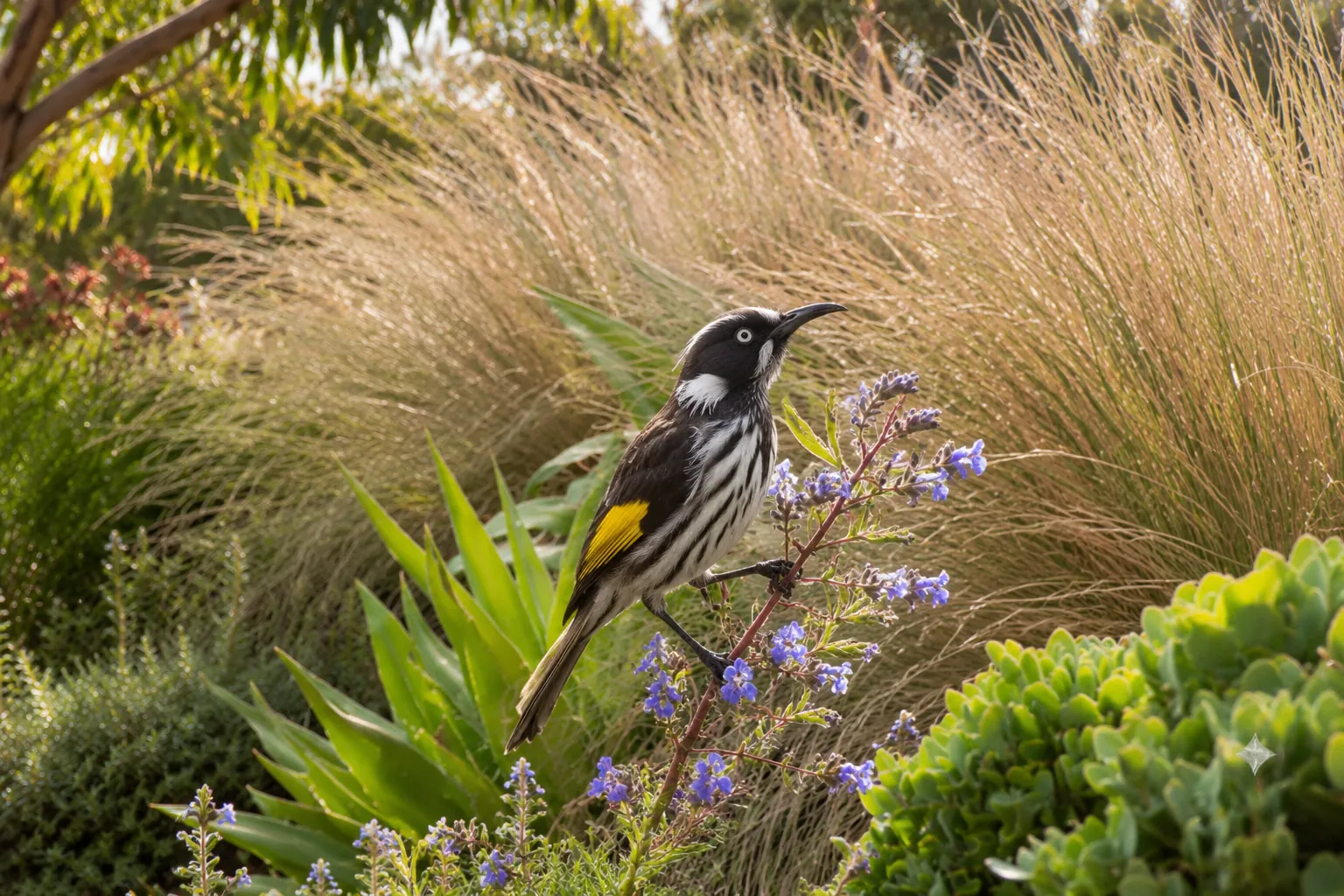
Use low plants to fill gaps between shrubs. Where appropriate, allow grasses to form seed heads rather than cutting every plant back at once.
Make room for a thick patch of shrubs, including locally suitable small-leaved or prickly species. These can provide cover for small birds that open lawn cannot offer.
Retain useful established trees and shrubs where safe. Check mature height and width before adding new ones, and leave room for paths, buildings and maintenance.
Where practical, leave some fallen leaves beneath shrubs instead of clearing every bed bare. Leaf litter supports insects and gives foraging birds somewhere to search.
Flowers offer nectar, but butterflies also need suitable plants for their caterpillars. Some chewed leaves are part of the life cycle. Choose host plants for the butterflies found in your area, as different species need different food plants.
Our butterfly garden guide explains how to combine nectar flowers, caterpillar food, sunshine and a safe place to drink.
Create a butterfly garden →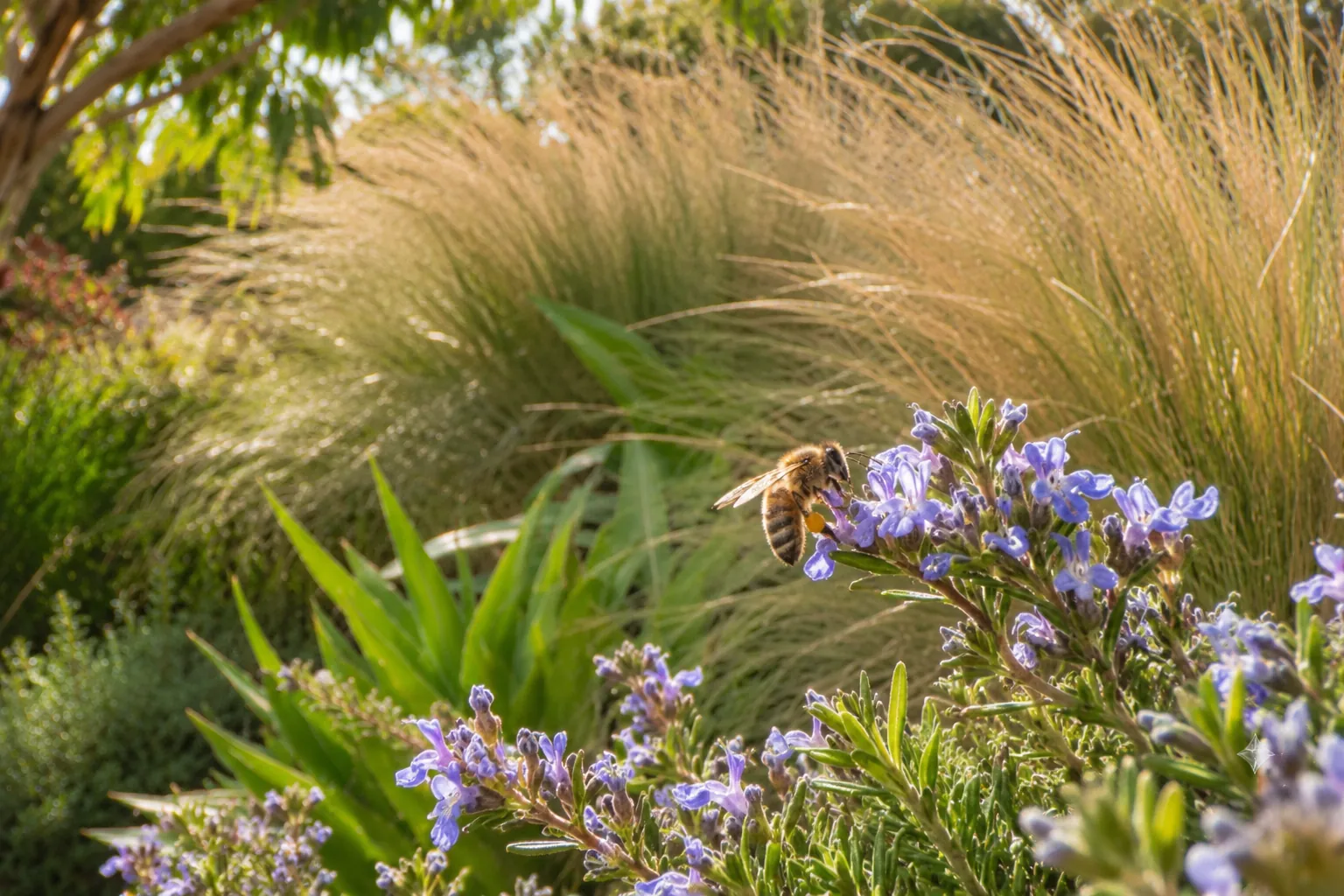
A shallow bird bath can provide drinking and bathing water. Clean it and refresh the water regularly, and choose a position that gives birds a clear view and protection from cats.
Keep cats indoors or in a secure outdoor enclosure. Prevent dogs from chasing wildlife or disturbing sheltered areas.
Identify a problem before reaching for a spray. Avoid unnecessary pesticide use so that beneficial insects and the animals that feed on them can remain part of the garden.
A plant that behaves well in one region can become a weed in another. Consult your council’s weed guidance before planting, especially near waterways and bushland.
Check your council’s list, choose a few plants for your conditions and add a sheltered patch. Watch what visits as the plants grow, then build on what works. You do not need to remake the whole garden at once.
Check your climate and garden position →You do not need to know everything at once. Start with your plant’s growing requirements, try the steps that suit your garden, and build confidence as you see what works.
Open Plant Finder