
Light
Full sun generally means at least six hours of direct sunlight. Part shade may mean morning sun, filtered light or protection from the hottest afternoon sun.
Before you dig
Choose a position with confidence by understanding sun, shade, wind and the space your plant will need.
← Back to Planting & CareSouthern Plants™ puts care into its labels to help you choose a suitable home for each plant.
Use the sun or shade guidance on your Southern Plants label to narrow down the right spot. Compare it with the light your garden actually receives, then check the soil preference and mature size. Morning sun and a hot west-facing wall can be very different growing conditions.
Find your plant’s growing information →Before you dig
Match the plant to the light, available space, soil and water conditions. Check its mature height and width—not only the size it is today—and place plants in their pots first so you can view the layout before planting.
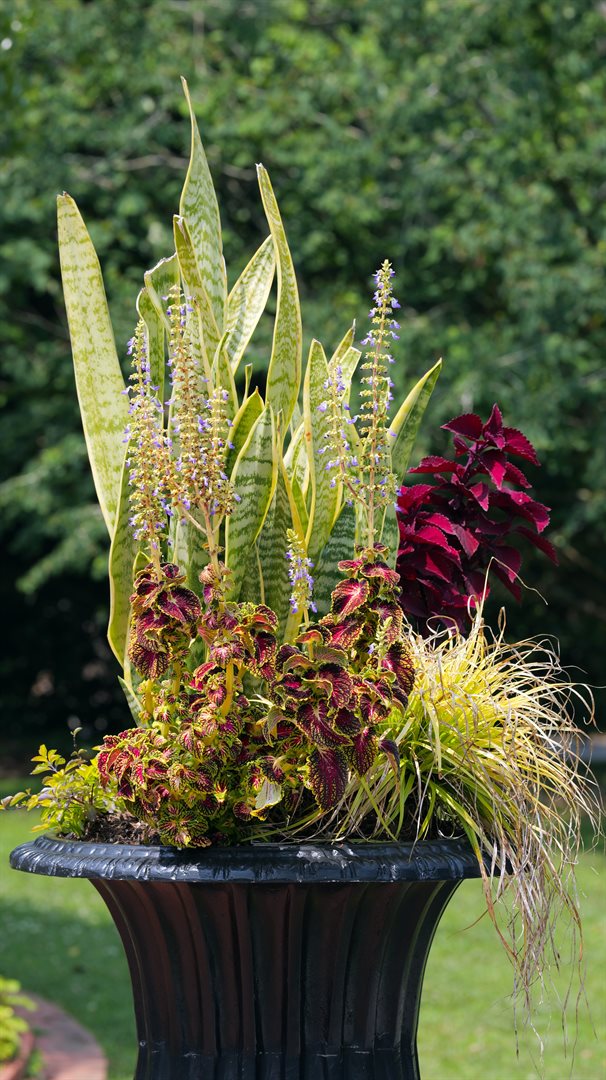
Full sun generally means at least six hours of direct sunlight. Part shade may mean morning sun, filtered light or protection from the hottest afternoon sun.
Allow space for mature growth, air movement and access. Keep large shrubs and trees clear of buildings, services and paths.
Decide whether you need a feature plant, hedge, groundcover, wildlife habitat, container plant or seasonal colour, then check the plant page for matching uses.
Look beyond the hours of sunshine
Your region’s climate helps explain the heat, cold and seasonal conditions a plant will experience. Before choosing, think about summer heat, winter frost, humidity, rainfall and dry periods as well as the light in the planting spot.
Start with the broad conditions where you live. The National Construction Code (NCC) groups Australia into eight climate zones, from humid tropical regions to alpine areas. These zones were developed for building design; they give useful context, but are not plant hardiness ratings.
A sheltered courtyard, an exposed coastal bed and a low spot that collects cold air can feel very different within the same region. Notice wind, salt exposure, frost, reflected heat and summer dryness at the actual planting spot.
Check the variety’s tolerance of heat, frost and exposure, along with its light, soil and water needs. A climate-zone match is a starting point, not a guarantee that a plant will thrive in every part of your garden.
Your council’s planting guides can add local context. Use them alongside the plant profile and your own site observations, especially when choosing indigenous plants or gardening near bushland.
Open Plant Finder and expand Your climate & council. Enter your postcode to look up its NCC climate zone and explore plants with recorded ratings. Some postcodes cross climate-zone boundaries, and some plants have not yet been assessed. Check the result and each plant’s growing information before deciding.
For the national map and an explanation of the zones, see the Australian Government’s Australian climate zones guide.
Look at the spot in the morning, around midday and late in the afternoon. A bright-looking area is not necessarily in direct sun, and a bed that is sunny in summer may sit in shade during winter. Record when sunlight actually reaches the soil rather than judging the whole garden from one visit.
Build confidence by noticing the different pockets of your garden: open sunny areas, filtered light beneath trees and sheltered corners can each suit different plants.
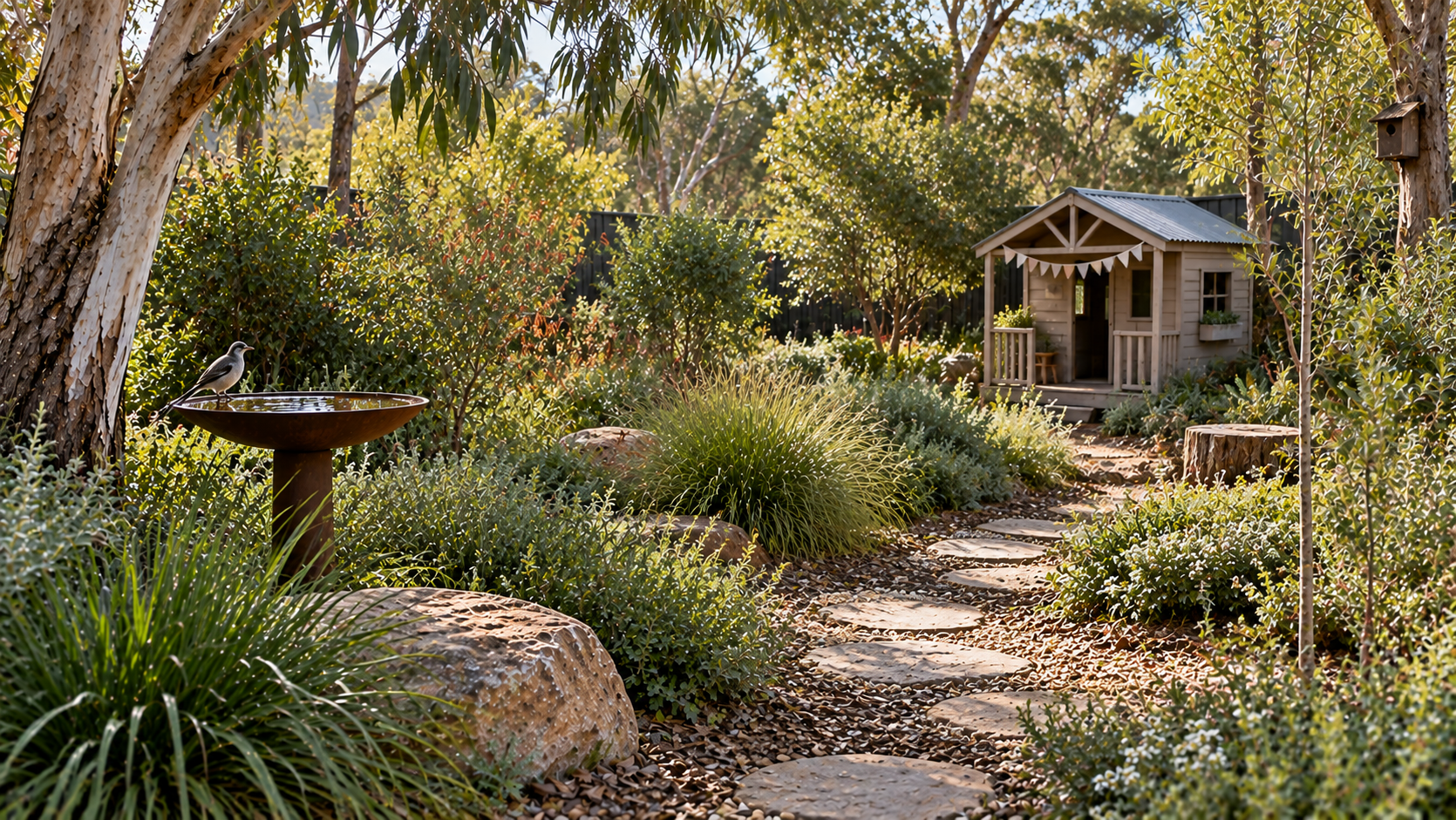
In many Australian gardens, gentle morning light suits plants that need protection from hot afternoon sun. A west-facing wall or paved courtyard can also radiate stored heat. Use the variety’s light requirements as your starting point, then consider this extra exposure.
Tree canopies can intercept rain, while established roots compete for moisture. Check below the surface before assuming a shaded bed is damp. Avoid raising the soil level or digging extensively over existing tree roots.
Leave room to walk, open gates, clean windows and maintain the planting. A plant that needs repeated hard pruning to fit the space may be better replaced with a naturally smaller variety.
Set the pots out at the intended spacing, then view them from the path, the house and the street. Mark the expected mature spread with a few sticks or a length of hose. Group plants with similar light and watering needs where practical, and keep labels or photographs as a record.
If the position is right but the soil is not, assess drainage before digging. A different plant or a suitable container can be a better answer than trying to force a variety into unsuitable ground.
Two nearby beds can need different plants. A roof overhang may shelter one from rain, paving may heat another, and a fence may block winter sun. Make a simple sketch of these differences before buying. Recheck the position as deciduous trees lose or regain their leaves.
For planting beneath trees, look for both shade suitability and the ability to cope with root competition. Use gaps between existing roots and avoid cutting major roots to make room. A shade-loving plant that needs consistently moist soil may struggle in dry shade even though the light level is suitable.
You do not need to know everything at once. Start with your plant’s growing requirements, try the steps that suit your garden, and build confidence as you see what works.
Open Plant Finder