
Pollination
When butterflies feed on nectar, they carry pollen from plant to plant, which helps your plants set seed and fruit.
Make room for butterflies
Butterflies bring colour and movement to any garden, and you don’t need much room to attract them. A few pots on a sunny balcony, a courtyard corner or a small front garden bed is enough to get started.
← Back to Planting & CareSouthern Plants™ puts care into its labels to help you choose a suitable home for each plant.
Check the light, soil, water and mature size information for each variety. Choose plants that suit your space, and include both nectar flowers and suitable caterpillar food plants.
Find your plant’s growing information →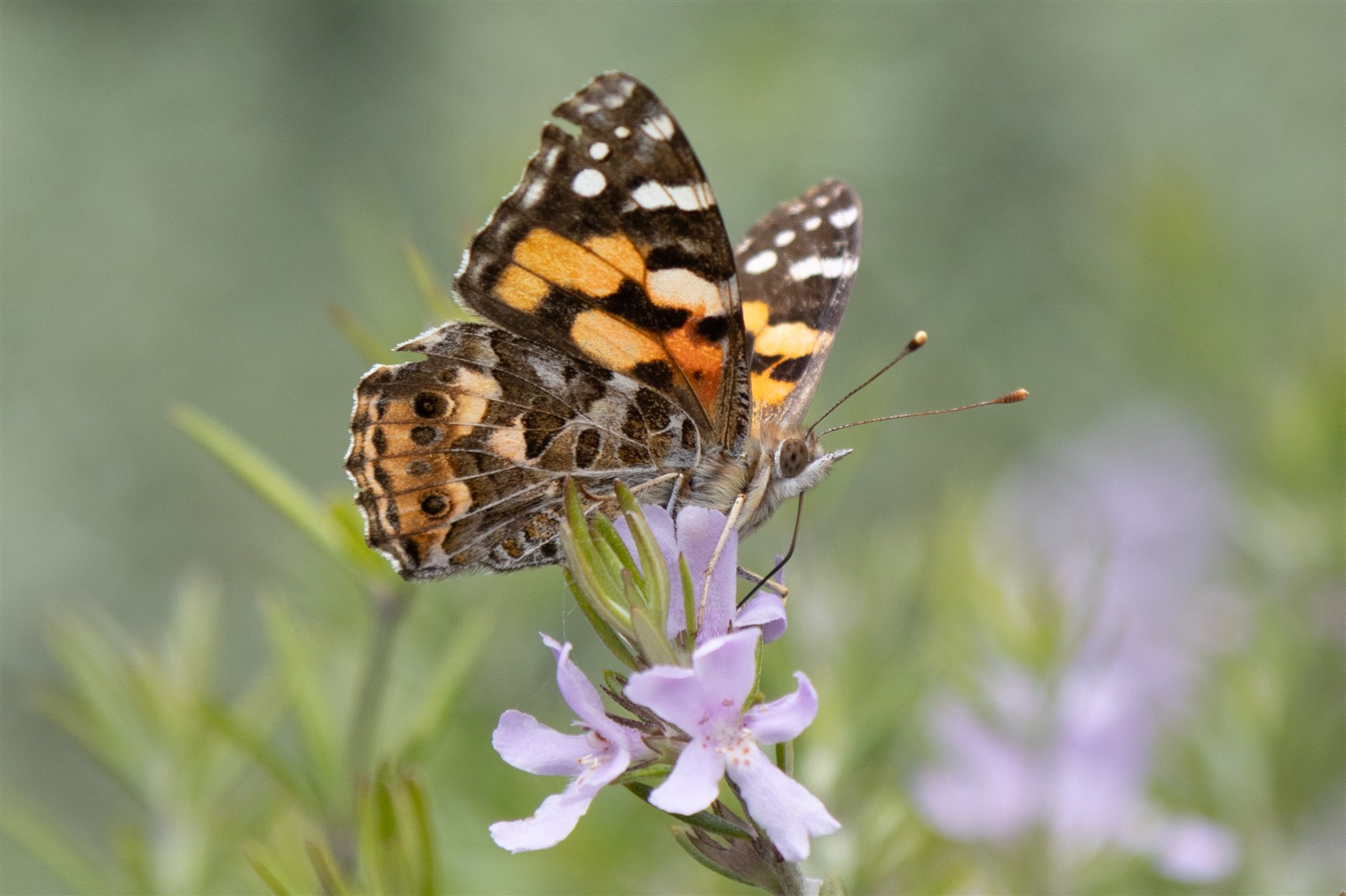
Butterflies and their caterpillars are a joy to watch, and many are strikingly colourful. They also do real work in the garden:
When butterflies feed on nectar, they carry pollen from plant to plant, which helps your plants set seed and fruit.
A garden designed for butterflies will also attract plenty of native bees and other native insects.
A garden that supports beneficial insects will also support their natural predators, which keep pest insects at bay or in much smaller numbers.
Caterpillars and butterflies are a food source for frogs, lizards and small mammals.
A garden for the whole life cycle
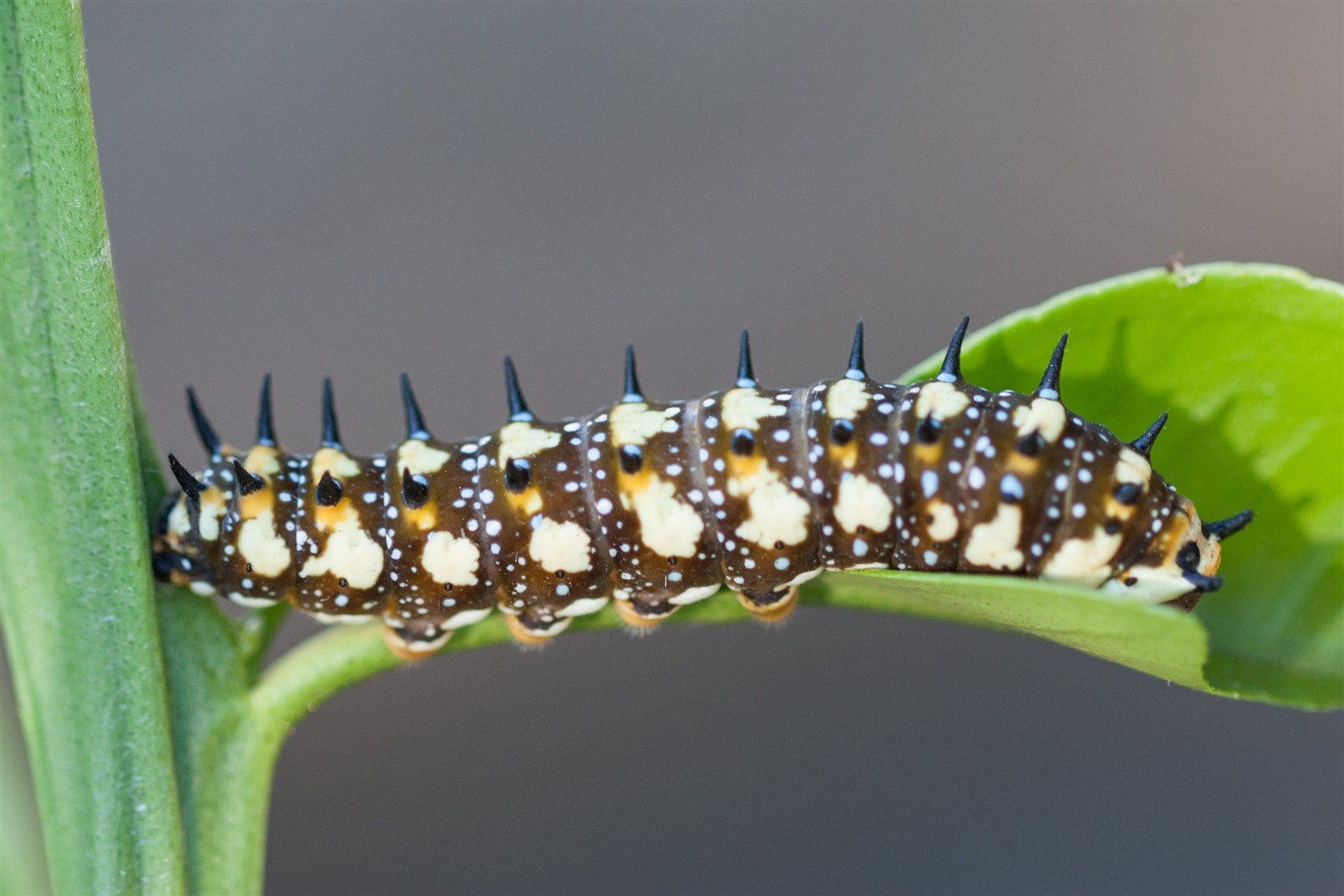
Some butterfly species are fussy about the plants they visit, especially when laying eggs. Their caterpillars need a suitable food source as soon as they hatch, so the eggs have to go on the right plant. That means putting up with a few chewed leaves, but without caterpillars there won’t be butterflies. If there’s a particular species you’d like to attract, look up the butterflies in your local area and the plants they favour.
Adult butterflies feed on nectar, so they visit flowers that are easy to drink from. Look for flat, open flowers that give them somewhere to land, or short, tubular flowers they can reach into. Butterflies are drawn to red, orange, yellow, purple and pink blooms. Planting these in bold groups makes them easier to spot.
Butterflies like to bask in the sun to absorb its warmth. Flat rocks and sand or gravel paths in a sheltered, sunny spot make ideal resting places.
Butterflies collect moisture and the salts they need from damp mud, which is why you’ll often see them around the boggy edges of ponds. Damp sand or gravel lets them drink without any risk of drowning. No pond? A shallow dish of damp sand does the same job, even on a balcony.
Pesticides and herbicides harm caterpillars, butterflies and the beneficial insects that keep your garden in balance. Avoid them where you can, and if you must use them, use them sparingly.
Your first butterfly corner
Pick a sunny spot and add a few nectar-rich plants in butterfly-friendly colours. Include a plant for caterpillars to feed on, and set out a flat rock and a damp sand dish. Then wait for the visitors.
Plan your planting
Use these ideas as a starting point. Links show matching plants in our catalogue; availability varies. Caterpillar food plants depend on the butterfly species, so check the butterflies in your local area and the plants they favour.
Explore a selection of matching plants currently available from Southern Plants™. Open a plant profile to check its growing requirements.
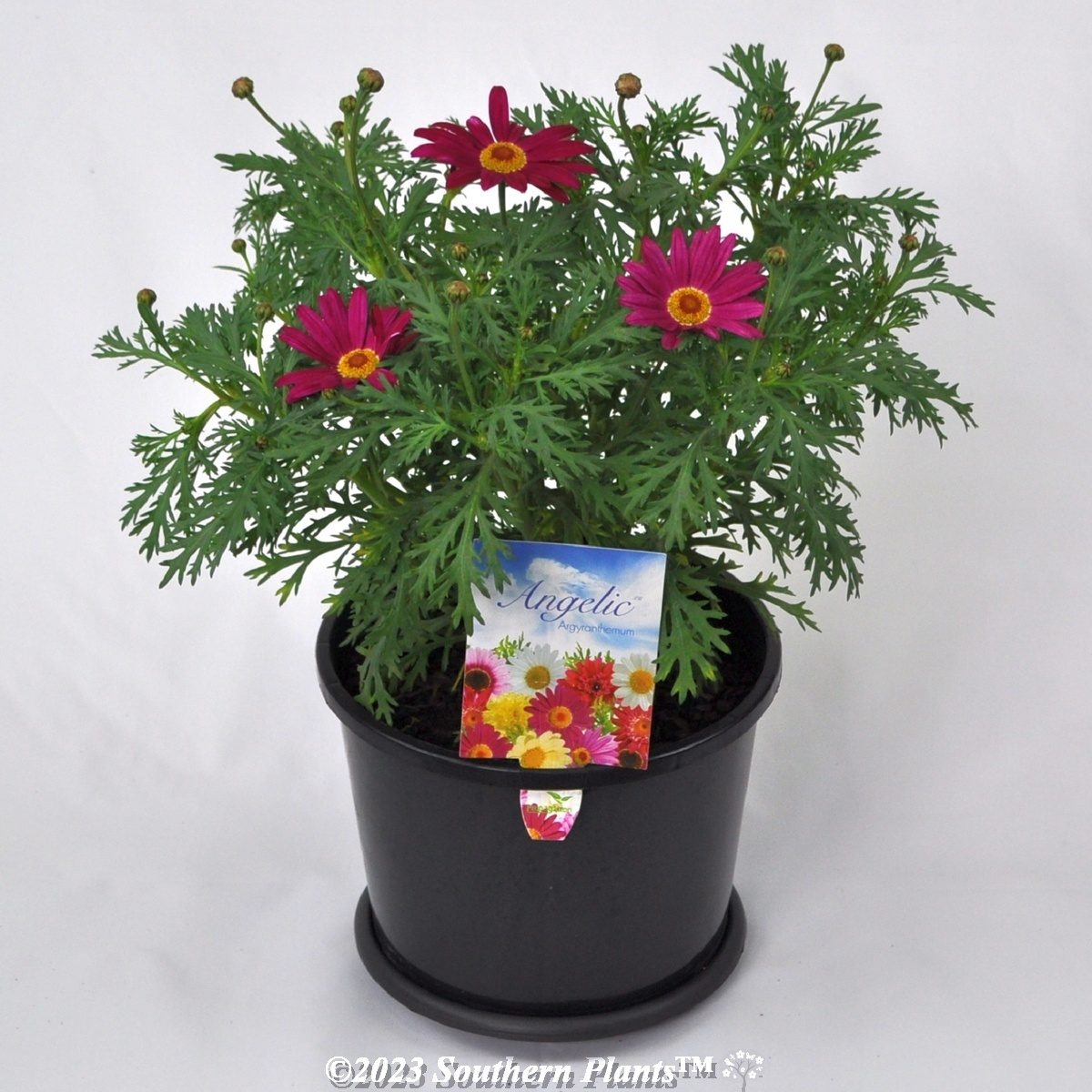 Argyranthemum Assorted
Argyranthemum frutescens Assorted
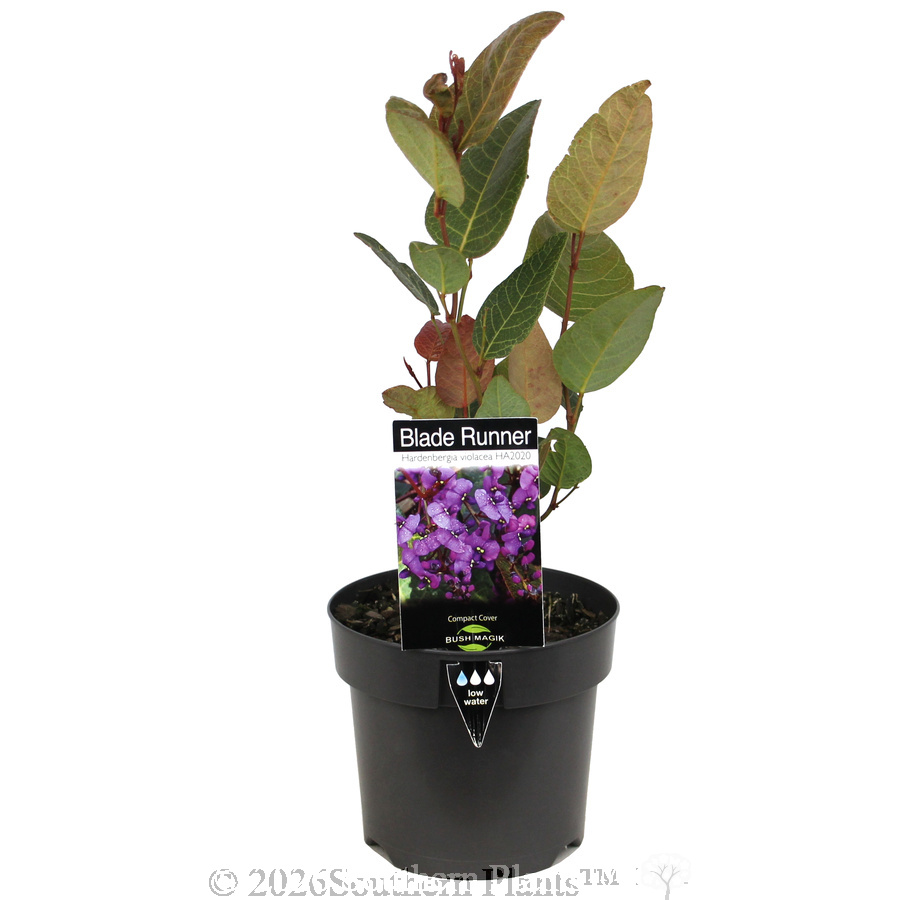 Blade Runner Native Wisteria
Hardenbergia violacea 'HA2020' 'Blade Runner'
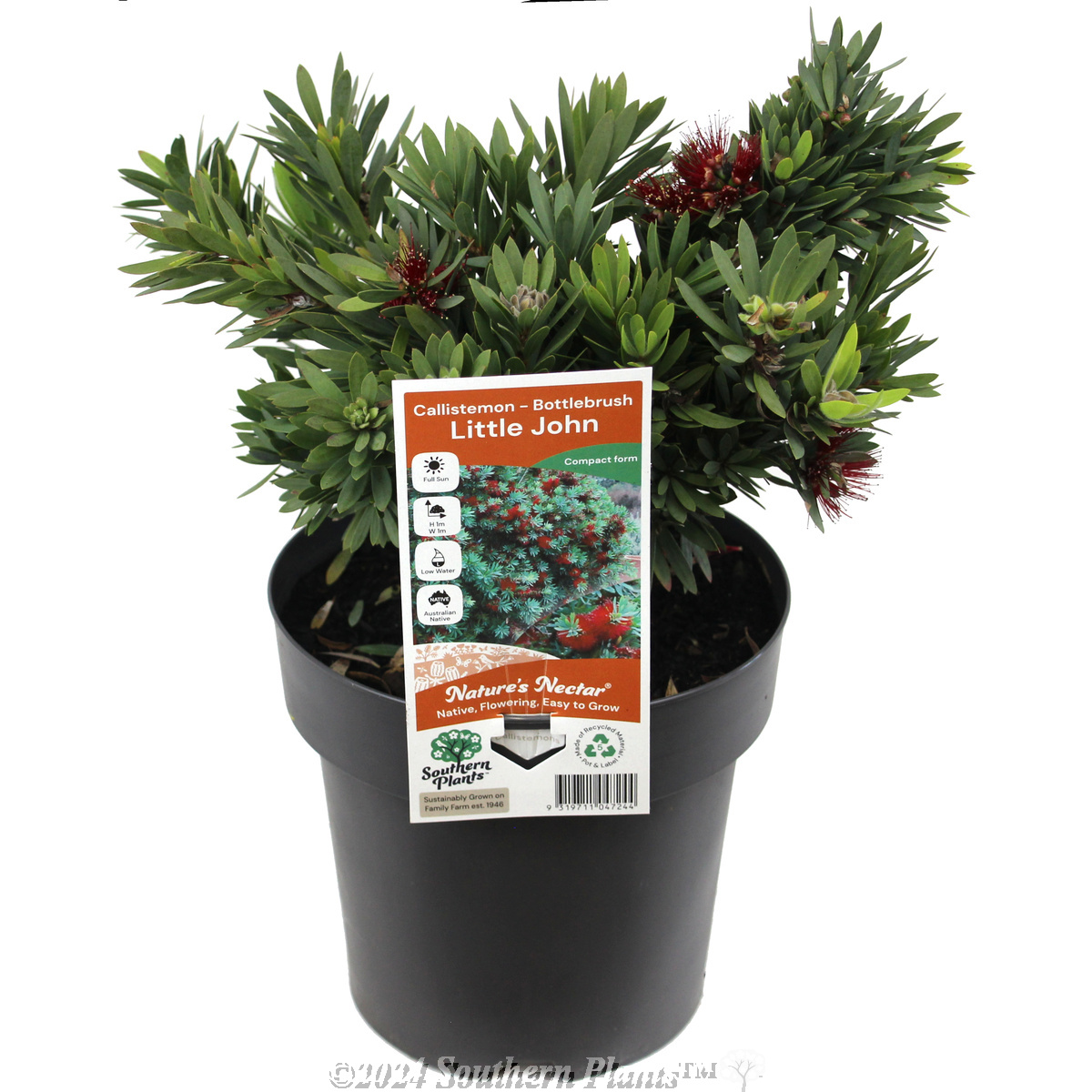 Callistemon LIttle John
Callistemon viminalis 'Little John'
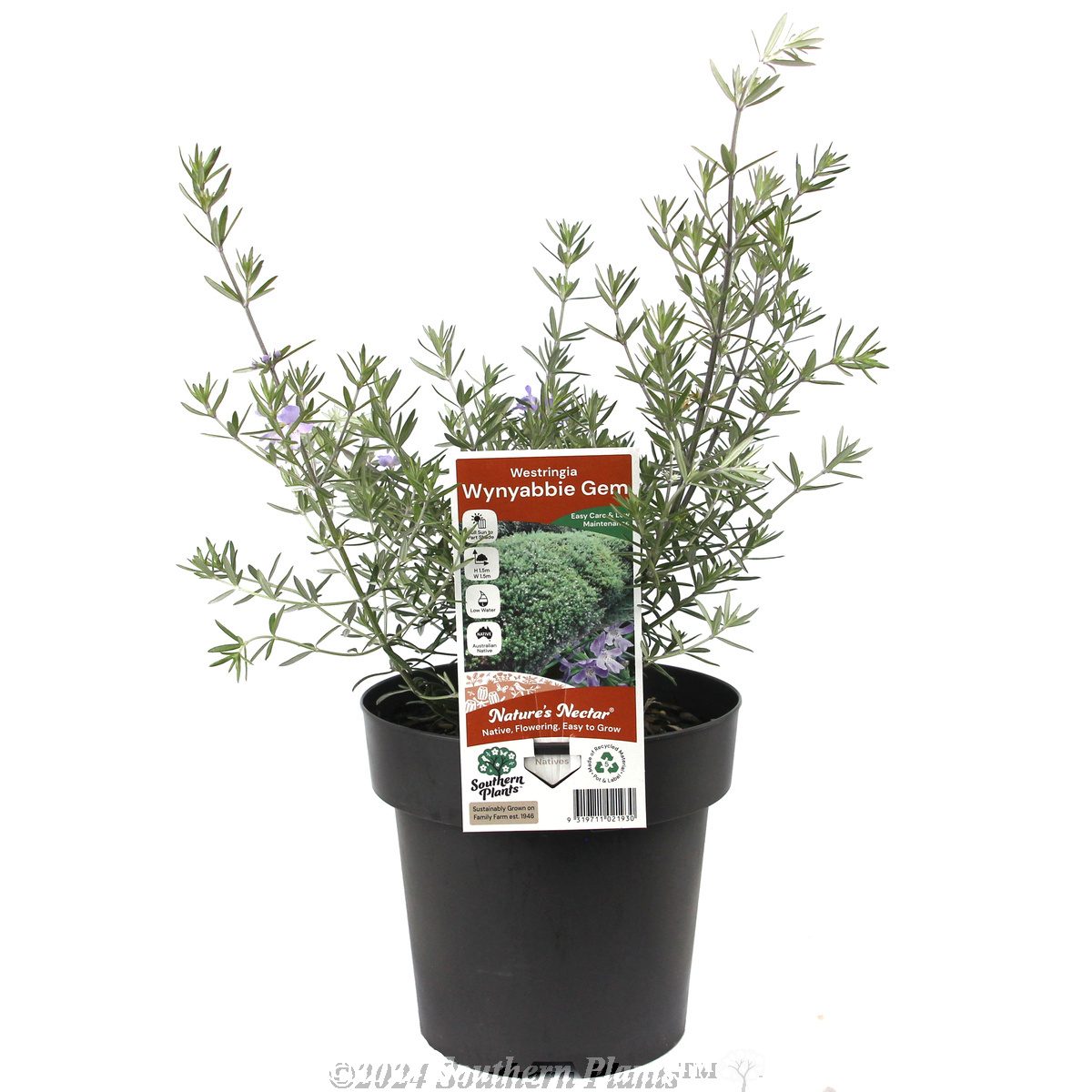 Coastal Rosemary
Westringia fruticosa x eremicola 'Wynyabbie Gem'
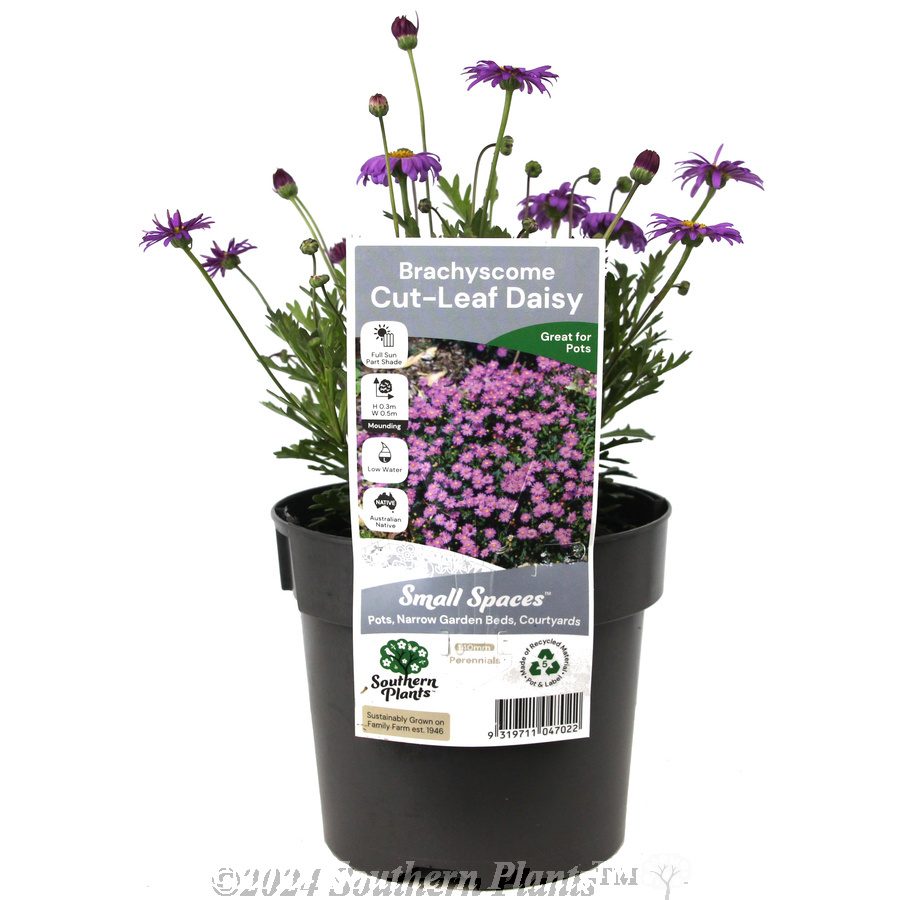 Cut-Leaf Daisy
Brachyscome multifida
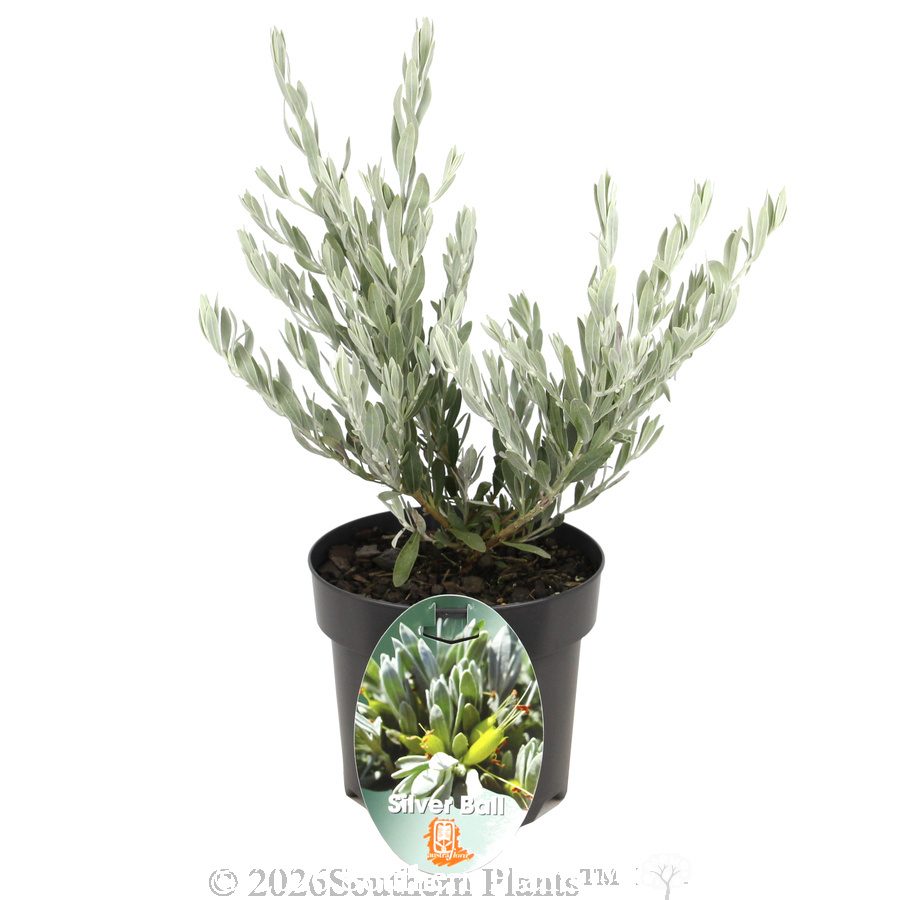 Eremophila Silver Ball
Eremophila glabra 'Silver Ball'
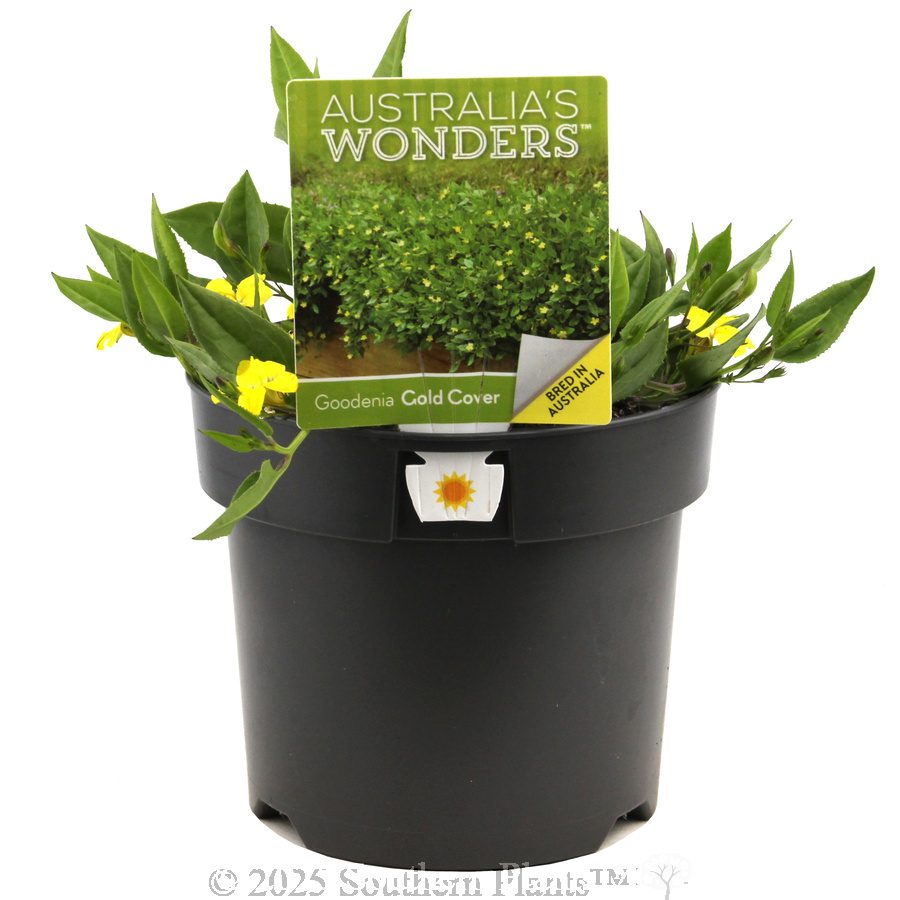 Goodenia Gold Cover
Goodenia ovata 'Gold Cover'
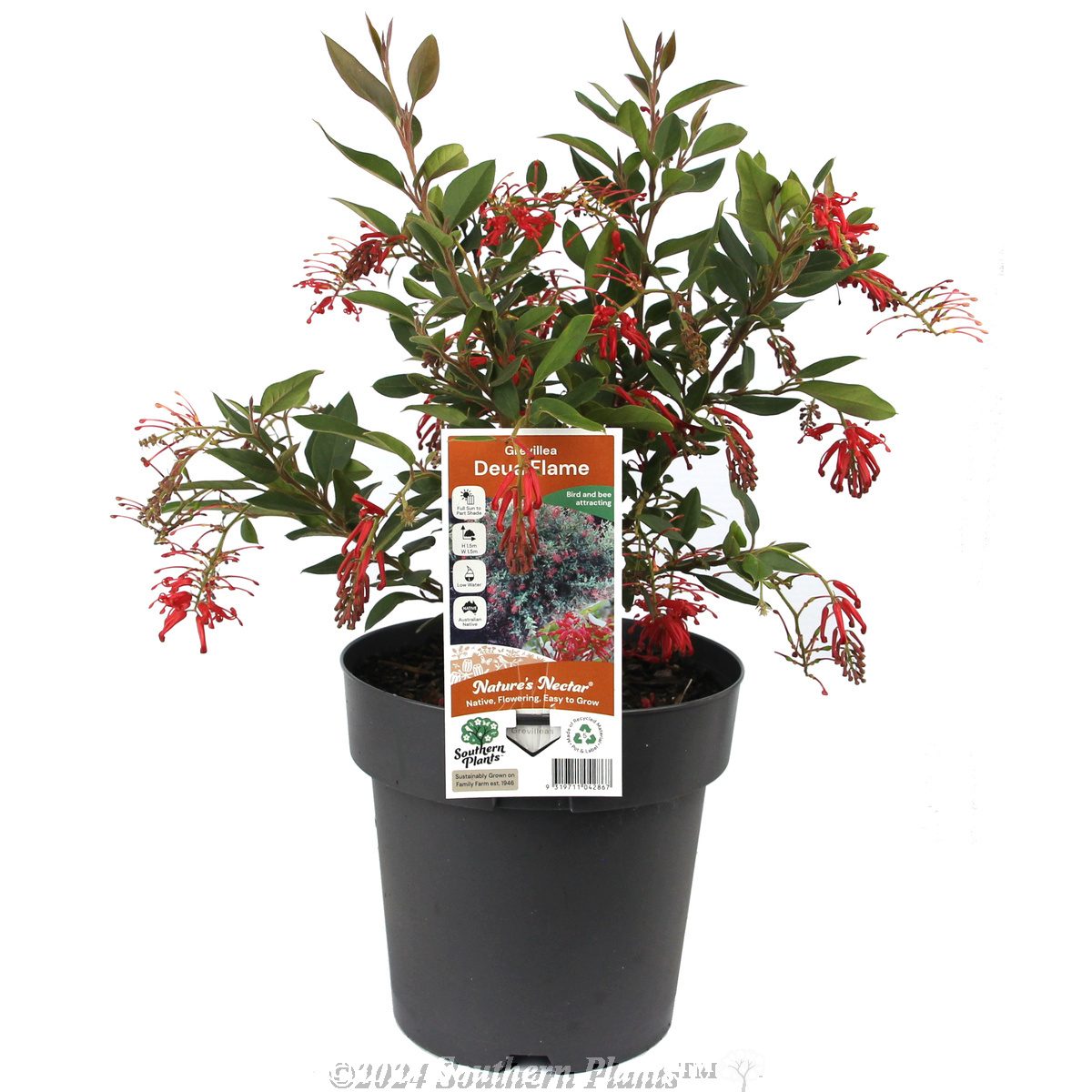 Grevillea Deua Flame
Grevillea rhyolitica 'Deua Flame'
You do not need to know everything at once. Start with your plant’s growing requirements, try the steps that suit your garden, and build confidence as you see what works.
Open Plant Finder